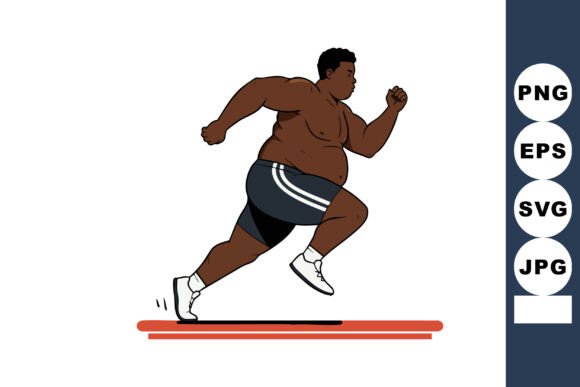
Dynamic Motion: Using the Overweight Man Sprinting in Sportswear R Illustration
Capturing Raw Determination and Energetic Movement
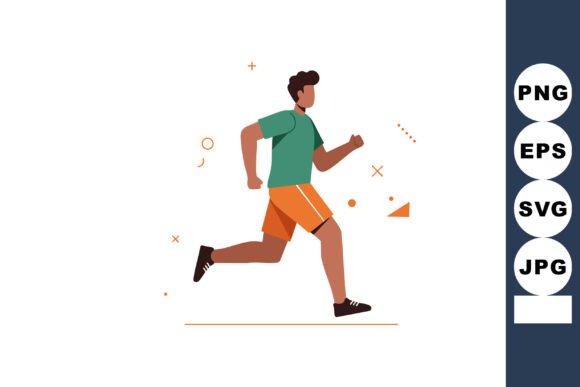
When you need a visual that communicates grit, transformation, or the sheer effort of pushing past limits, finding the right imagery can be challenging. Stock photos often feel generic or overly polished, lacking the raw emotion you want to convey. This is where the Overweight Man Sprinting in Sportswear R illustration steps in. It is not just a static image of a person; it is a narrative captured in a single frame. The illustration depicts a figure mid-stride, wearing practical sportswear, with a dynamic pose that suggests forward momentum and urgent determination. It is designed to resonate with real-world experiences of fitness, struggle, and achievement, making it an invaluable asset for a wide range of creative professionals.
The visual style of this asset is distinct. It balances realism with a stylized artistic flair, ensuring it stands out without feeling cartoonish. The lines are clean, the motion is fluid, and the focus is clearly on the subject's effort. You can almost feel the energy radiating from the track. This makes it a powerful tool for anyone in marketing, publishing, or branding who needs to tell a story about resilience. The downloadable ZIP file provides incredible flexibility, containing SVG, EPS, JPG, and PNG formats. This means you can scale the image infinitely for a billboard or optimize it for a small web icon without losing quality.
Strategic Applications for Designers and Marketers
Understanding where to deploy the Overweight Man Sprinting in Sportswear R graphic is key to maximizing its impact. Because the subject matter is so specific yet universally relatable, it works exceptionally well across several industries.
For brand identity and logo design within the wellness, health, and athletic sectors, this image serves as a perfect centerpiece. A gym startup, a personal trainer's website, or a fitness app could use this illustration to immediately signal that their brand is inclusive and focused on the journey, not just the destination. It moves away from the intimidating, elite athlete imagery that dominates the market, offering a more welcoming and motivational alternative.
In editorial design and packaging design, the illustration adds immediate visual interest. Imagine this graphic on the cover of a magazine feature about marathon training for beginners, or on the packaging of a high-performance fabric line designed for all body types. The dynamic pose creates a natural focal point that draws the reader's eye. Similarly, in web design and social media graphics, the image breaks the monotony of static text blocks. It works wonderfully as a hero image on a landing page, a background element for a promotional video, or a bold graphic for an Instagram campaign promoting a "Couch to 5k" challenge.
Technical Versatility: From Vector to Raster
The true value of a premium font or graphic often lies in its technical execution, and this asset is no exception. The inclusion of vector formats (SVG and EPS) is a significant advantage for creative professionals. Vectors allow you to edit the colors, resize the illustration without pixelation, and integrate it seamlessly into complex layouts. If you are a crafter using a cutting machine, the SVG format is essential. If you are a graphic designer working in Adobe Illustrator or Affinity Designer, the EPS file gives you full control over the artwork.
Conversely, the JPG and PNG formats offer convenience for digital use. The PNG file, likely with a transparent background, is perfect for layering the runner over other images or colored backgrounds in social media graphics or presentations. This technical flexibility ensures that the Overweight Man Sprinting in Sportswear R illustration can adapt to your specific workflow, whether you are building a website, printing a brochure, or creating merchandise.
Enhancing Visual Hierarchy and Audience Engagement
In design, how you guide the viewer's eye is just as important as the content itself. This illustration naturally creates a strong visual hierarchy. The forward motion of the sprinter acts as a directional cue. By placing the runner on the left side of a layout, facing right, you subconsciously guide the viewer's gaze toward your text, your call-to-action button, or your product. This is a subtle but effective psychological tactic used in modern typography and layout design.
Furthermore, the emotional resonance of the image boosts audience engagement. Authenticity is currency in today's market. Consumers and readers respond to imagery that reflects diverse realities. By using a graphic that features an overweight individual in a powerful, active pose, you are making a statement about inclusivity. This fosters a deeper connection with your audience, increasing the likelihood that they will trust your message and engage with your content. It transforms a simple design asset into a tool for meaningful communication.
Pairing and Integration: Making the Asset Work for You
Integrating a strong visual asset with your typography requires a thoughtful approach to font pairing. Because the Overweight Man Sprinting in Sportswear R illustration is energetic and dynamic, it pairs best with typefaces that offer stability or clean legibility. A sans serif font with a modern, geometric structure can complement the image's clean lines without competing for attention. Alternatively, a bold display font can be used for headlines to match the intensity of the sprinter, while a readable serif font or script font can handle body text to provide contrast.
When evaluating the fit for your project, consider the tone. If your project is about the raw struggle of training, lean into the high-contrast elements of the illustration. If it is about the joy of movement, pair it with warmer colors and friendlier typefaces. Always test your font pairing with the illustration in context. Place them side-by-side in a mockup to ensure the visual weight is balanced. The goal is to create a cohesive brand identity where the image and the text feel like they belong together, rather than a disjointed collection of design assets.
Licensing and Commercial Use Considerations
Before incorporating any asset into a commercial project, verifying the licensing is a critical step. This illustration is positioned as a commercial font and asset, meaning it is intended for professional use. However, "commercial use" can vary between providers. Generally, you need to ensure the license covers your specific application, whether that is for client work, merchandise for sale, or digital products.
Check if the license allows for modification. Given the variety of file formats provided, it is likely intended to be customized. You should also verify if there are limitations on the number of prints or digital impressions. For entrepreneurs and small business owners, a clear, straightforward license provides peace of mind, allowing you to focus on the creative process rather than legal complexities. By respecting the licensing terms, you support the creators who produce high-quality design assets, ensuring a sustainable ecosystem for everyone.