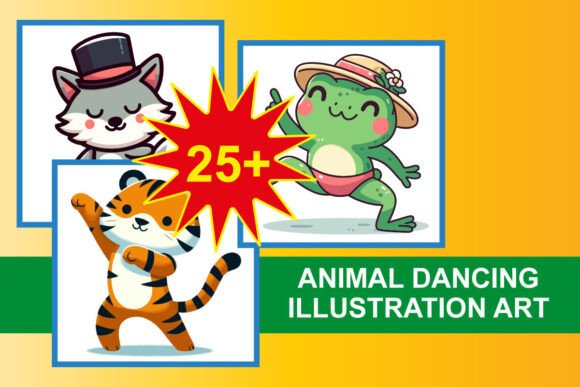
Animal Dancing Illustration Art: A Whimsical Design Asset
There’s a certain magic in seeing a creature known for its natural grace, like a swan, captured mid-pirouette, or a mischievous monkey dressed in a tiny waistcoat, frozen in a joyful leap. This is the world of Animal Dancing Illustration Art. It’s more than just a collection of cute drawings; it’s a vibrant narrative that blends the innate beauty of the animal kingdom with the universal language of dance. The artwork is a celebration, a dynamic scene filled with expressive characters, each with its own personality, set against a backdrop that pulses with rhythm and color.
From a design perspective, the charm of this illustration style lies in its intentional imperfections and bold expressiveness. The lines are confident and fluid, capturing movement without being overly rigid. The textures are soft, often mimicking watercolor or gouache, which adds a tactile, handcrafted feel. The color palette is unapologetically lively—think rich magentas, sunny yellows, and deep teals—that work together to create a sense of joy and celebration. This isn’t static art; it’s a snapshot of a moment in a dance, full of energy and emotion. For a designer or marketer, this inherent personality is a powerful tool. It can instantly set a tone of playfulness, creativity, and warmth, making it a versatile design asset for projects that need to connect on an emotional level.
Where This Whimsical Style Shines
The applications for Animal Dancing Illustration Art are as diverse as the creatures within the scene. Its strength lies in its ability to inject personality and approachability into a brand or project, making it ideal for contexts where you want to stand out from the crowd of minimalist sans-serifs and corporate imagery.
- Branding & Logo Design: For a children’s bookstore, a dance studio, a creative agency, or a boutique bakery, elements from this illustration can be distilled into a memorable logo design or brand mascot. It tells a story of fun, imagination, and expertise all at once.
- Packaging & Product Design: Imagine this art on the box of a gourmet popcorn brand, a line of artisanal teas, or a set of craft supplies. It creates an immediate shelf presence, promising a delightful experience inside. The style is perfect for packaging design that needs to convey quality and whimsy.
- Digital & Web Presence: Used as hero graphics, blog post illustrations, or social media templates, this art can transform a standard website or feed into an engaging visual story. It’s excellent for social media graphics designed to stop the scroll and spark engagement.
- Editorial & Publishing: In editorial design, such as magazine features, book covers (especially for children’s books or light-hearted fiction), or greeting cards, these illustrations add a layer of narrative depth and visual interest that stock photography can’t match.
- Personal & Commercial Projects: Beyond professional use, it’s a fantastic resource for crafters creating party invitations, hobbyists designing custom stationery, or entrepreneurs looking for unique artwork for their home office.
Integrating the Art into Your Visual Strategy
Adopting a strong visual style like Animal Dancing Illustration Art is a strategic decision that influences far more than just aesthetics. It directly impacts how your audience perceives and interacts with your brand.
Building a Cohesive Brand Identity: When used consistently, this art style becomes a cornerstone of your brand identity. It fosters recognition and builds a personality that audiences can relate to. A brand that uses such playful, detailed art is perceived as creative, approachable, and confident in its own uniqueness. This consistency across your web design, print materials, and packaging creates a seamless and professional experience.
Enhancing Communication & Hierarchy: In a layout, a central illustration of a dancing fox can serve as a powerful focal point, guiding the viewer’s eye and establishing a clear visual hierarchy. The art can do the heavy lifting of setting the mood, allowing your typography and other design elements to support the message rather than carry it alone. This is where thoughtful font pairing becomes crucial.
Practical Guidance for Implementation
Ready to incorporate this style? Here’s how to approach it methodically.
- Evaluate the Project Fit: First, ask if the tone aligns with your message. Is your project aiming for whimsy, celebration, and approachability? If the answer is yes, you’re on the right track. This art style might be less suitable for a law firm’s annual report, but perfect for a tech startup’s user onboarding guide.
- Source and License Correctly: Treat this as a premium font or high-value asset. Look for reputable marketplaces or artists who offer clear commercial font and asset licenses. Understand what’s included—are you getting the full illustration, individual elements, or pattern tiles? Ensure the license covers your intended use, whether for a single client project or unlimited commercial use.
- Test with Typography: The bold, expressive nature of the illustration pairs best with typography that can hold its own. A clean, modern sans serif font often works well for body text, providing readability without competing. For headlines, you could use a strong serif font for contrast or a complementary script font to amplify the whimsical feel. The key is balance—the art is the star, and the type should be its supportive co-star.
- Consider the Medium: How will the art be reproduced? For print design, ensure you have high-resolution files. For web design, optimized file sizes are critical for fast loading. The intricate details in Animal Dancing Illustration Art require careful scaling to maintain clarity across different sizes.
Ultimately, Animal Dancing Illustration Art