Paper Airplane Flying with Curved Dashed: Motion in Design
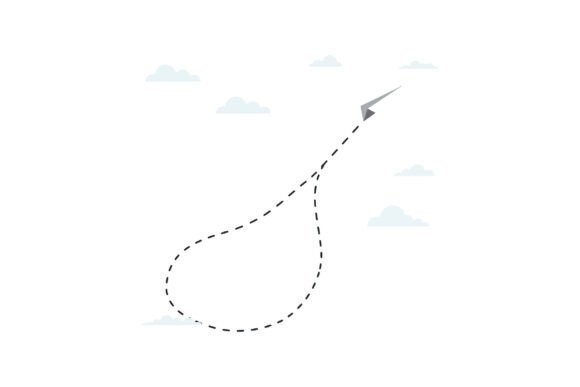
There is a specific kind of energy we look for in modern design assets—something that captures movement without being chaotic. When you first encounter the Paper Airplane Flying with Curved Dashed concept, you immediately understand its personality. It is not just a static image of a folded piece of paper; it is a visual narrative of flight. We often see this depicted as a simple grey paper airplane arcing through a pale sky, accompanied by a dotted curved flight path. This imagery conveys a profound sense of lightness and playful motion, achieved through a minimalist design philosophy that strips away the noise and focuses on the trajectory.
For designers and brand strategists, understanding the value of such imagery is crucial. The "Paper Airplane" aesthetic represents a bridge between nostalgia and futurism. It recalls the simplicity of childhood play while simultaneously symbolizing the launch of new ideas, messages traveling across distances, and the fluidity of digital communication. The visual characteristics are distinct: clean lines, a lack of heavy shading, and a reliance on negative space to create depth. The "curved dashed" element is particularly significant. In design theory, dashed lines suggest a journey, a process, or a connection that is not rigid but flexible. When applied to a font or design element, this translates to a typeface that feels organic, approachable, and distinctly human.
The Anatomy of Movement: Visual Style and Appeal
When we look at the stylistic breakdown of Paper Airplane Flying with Curved Dashed, we are looking at a design that refuses to sit still. The "grey paper airplane" aspect grounds the design in neutrality and sophistication. Grey is rarely boring when used correctly; it is the color of slate, of silver, of the sky before dawn. It acts as a perfect canvas for other colors or stands strong on its own for a monochromatic, high-end look.
The "pale sky" background reinforces the concept of openness. In practical application, this means the design works exceptionally well in layouts that utilize ample white space. It is a masterclass in minimalism where the "playful motion" does the heavy lifting. For a content creator or a small business owner, this style solves a common problem: how to appear professional without appearing stiff. Traditional corporate design often relies on heavy serifs and static grids. In contrast, the Paper Airplane aesthetic introduces a dynamic element that suggests innovation and agility.
This visual language is incredibly versatile. It fits the personality of a tech startup launching a new app, a travel blogger documenting their journey, or a children’s educational brand. The appeal lies in its universality. We all understand the gesture of throwing a paper airplane. It implies a wish, a send-off, and a destination. Incorporating this into your visual identity—whether through illustration or typography that mimics this motion—creates an immediate emotional connection with the audience.
Strategic Applications: From Branding to Web Design
How do we translate the spirit of Paper Airplane Flying with Curved Dashed into tangible projects? The applications are surprisingly broad, spanning from logo design to packaging design. Let’s break down where this style excels.
Digital Presence and Social Media
In the realm of web design and social media graphics, attention spans are short. You need visuals that pop and communicate instantly. The minimalist nature of the paper airplane illustration is perfect for hero sections on websites, particularly for SaaS (Software as a Service) companies or communication platforms. It visually answers the question, "What does this company do?" by saying, "We move things forward."
For social media, the "curved dashed" path is an excellent compositional tool. It can guide the viewer’s eye from the image to the caption or from a headline to a call-to-action button. It creates a visual hierarchy that feels natural rather than forced. Marketers can use these assets to highlight "new launches" or "updates," using the flight path to imply progress and momentum.
Editorial and Publishing
For editorial design, such as magazines, newsletters, and blogs, this aesthetic adds a layer of whimsy without sacrificing readability. Imagine a travel magazine using the paper airplane motif to connect different destinations on a map, or a business journal using it to denote "forward-thinking" articles. It breaks the monotony of standard grid layouts. The style works beautifully as a divider, a sidebar accent, or a header graphic that sets a conversational, helpful tone.
Commercial and Packaging
In packaging design, the tactile quality of paper is already inherent. Using a paper airplane design on physical goods—especially those related to stationery, gifts, or artisanal products—creates a meta-textural experience. It reminds the customer of the material the product is made of, grounding the brand in authenticity. For commercial use, the simplicity of the grey and white palette ensures that the packaging doesn't clash with shipping materials or retail shelving, maintaining a clean, premium shelf presence.
Typography and the "Creative Font" Connection
While the imagery of the paper airplane is powerful, we must also discuss how this concept translates into typography. A creative font inspired by this aesthetic—often seen in handwritten fonts or script fonts—typically features irregular baselines and fluid strokes. These are not the rigid, architectural letters of a sans serif font or the formal serifs of a book typeface.
When choosing a font that embodies this "flying" spirit, you are looking for a typeface that mimics the momentum of the airplane. Look for letters that lean forward slightly, or display fonts with swashes that trail off like a flight path. This is where the concept of font pairing becomes critical. You cannot pair a whimsical, flying script with another decorative font; the result will be visual noise. Instead, the playful motion of a Paper Airplane-inspired script should be anchored by a sturdy, geometric sans serif font. The sans serif acts as the ground, while the script acts as the sky.
Practical Guide: Evaluating and Using These Assets
For designers and entrepreneurs ready to utilize assets like the Paper Airplane Flying with Curved Dashed vector sets, a methodical approach ensures the best return on investment. Downloadable asset packs (often including SVG, EPS, JPG, and PNG formats) offer flexibility, but you must evaluate them correctly.
- Assessing Project Fit: Before downloading, ask if the "playful motion" aligns with your brand voice. If you are a law firm, a flying paper airplane might undermine your authority. If you are a logistics company, a creative agency, or a lifestyle brand, it is a perfect fit.
- Testing Scalability: Ensure the files are vector-based (SVG or EPS). This allows you to scale the design from a favicon on a browser tab to a large-format print banner without losing the crispness of the dashed lines.
- Color Grading: The default "pale sky" and "grey" palette is safe, but don't be afraid to recolor. The grey airplane can become a brand color, and the sky can be adapted to dark mode interfaces by using deep navy or charcoal backgrounds, making the white flight path pop with high contrast.
- Readability Check: If using a font with this style, check its legibility at small sizes. Curved, dashed, or highly stylistic fonts often fail as body copy. Use them strictly for headers, logos, or pull quotes, and rely on a clean modern typography standard for the main text.
Building Brand Identity Through Motion
Ultimately, the goal of using Paper Airplane Flying with Curved Dashed is to cultivate a specific brand identity—one that is approachable, dynamic, and optimistic. In a digital landscape crowded with static, aggressive marketing, the lightness of a paper airplane offers a breath of fresh air.
It signals to your audience that you value creativity and clarity. It suggests that your message is worth sending and that you care about the journey, not just the destination. Whether you are designing a pitch deck, a website landing page, or a line of merchandise, this aesthetic provides a timeless visual shorthand for connection and forward momentum. By integrating these elements thoughtfully, you move beyond mere decoration and start building a visual language that truly resonates.