Portly Man with Big Belly Running on Iso: Capturing Vitality in Design
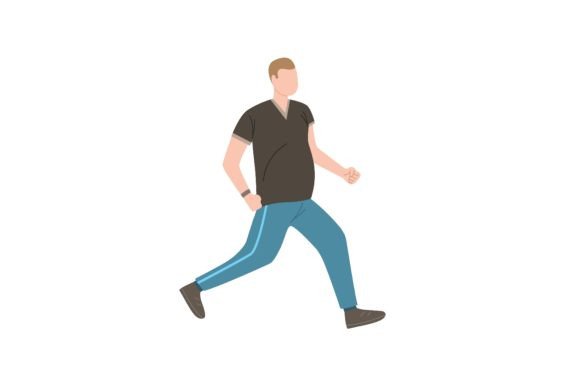
There is a distinct energy in the graphic design asset known as "Portly Man in Motion," a piece that captures the essence of the "Portly Man with Big Belly Running on Iso." This isn't just a static image; it's a narrative in a single frame. You see the determination in the mid-stride posture, the dynamic fold of clothing, and the sheer willpower exuding from a figure often overlooked in traditional fitness imagery. For designers, this asset is a breath of fresh air. It breaks the mold of the chiseled, idealized athlete and presents a more relatable, human struggle. The isolated background setting makes it incredibly versatile, allowing this robust individual to be dropped into countless contexts without visual clutter. It’s a testament to the beauty of movement at every size, a powerful visual shorthand for action, perseverance, and the universal journey toward better health.
A Visual Language of Determination and Relatability
Let's break down what makes this particular design so compelling. Visually, the style is characterized by a bold, illustrative quality. The artist hasn't shied away from the details—the way fabric stretches, the slight forward lean, the focused expression. This level of detail is what transforms it from a simple clipart figure into a piece with personality and story. It feels authentic. The color palette is often kept simple or on a transparent background, which is a practical dream for any designer needing to integrate it into a larger composition. Whether you're working on a web design project, creating social media graphics, or developing packaging design for a health-focused product, this graphic provides an immediate emotional hook. It speaks to the beginner, the person just starting their fitness journey, and that relatability is pure gold in marketing and editorial content.
From a brand identity perspective, using this asset sends a clear, inclusive message. A gym, a wellness blog, or a nutrition app that features imagery like this tells its audience, "We see you. Your effort counts, no matter your starting point." It's a powerful tool for building community and trust. The character, endearingly dubbed "Pudgy," becomes more than an illustration; he's a brand ambassador for perseverance. For entrepreneurs in the wellness space, this is a creative font of sorts—not a typeface, but a visual asset that can define the tone of your entire campaign. It’s a premium font equivalent in the world of graphic design, offering a level of narrative depth that stock photos often lack.
Strategic Applications Across Creative Projects
So, where does "Portly Man with Big Belly Running on Iso" work best? The applications are surprisingly broad. In editorial design, it's perfect for articles about overcoming obstacles, starting a new habit, or the psychology of weight loss. Bloggers and publishers can use it as a featured image that immediately conveys the article's theme without a single word. For logo design or branding for a personal trainer, it could form the core of a memorable mark that stands for real-world fitness, not just elite performance. Think about its use in infographics or explainer videos—it can personify the "before" state or the active participant in a process, making abstract health data feel human and actionable.
When it comes to pairing, this graphic has a strong personality. It demands a supporting cast of design elements that complement its energy without competing. A clean, sans serif font for body text often works well, providing modern, readable contrast to the illustrative detail of the figure. For headlines, a sturdy serif font or a bold display font can add authority and weight. The key is to avoid overly delicate or whimsical script fonts that might clash with the graphic's grounded, determined vibe. In practice, this means testing your font pairing carefully. Place your chosen typeface next to the graphic. Does it feel harmonious? Does the typography support the story the image is telling, or does it distract? The goal is visual synergy, where the text and image work together to strengthen your message.
Making It Work: Practical Considerations for Designers
Integrating this asset effectively requires a thoughtful approach. First, consider the scale. This detailed illustration can lose its impact if made too small. It's designed to be a focal point. In a web design layout, give it room to breathe—use it as a hero image or a large section divider. On social media, it’s perfect for carousel posts or video thumbnails where its motion can be emphasized. For print projects like flyers or posters, ensure the resolution is high enough to maintain the crispness of those expressive folds and curves.
Next, think about context and color. While the isolated background is a strength, you need to place it in a setting that makes sense. A stark, minimalist website might use it against a clean white or grey field to highlight its form. A more dynamic brand might place it against a textured background or within a bold color block that reflects its energy. Always check the commercial licensing of any design assets you use. Ensure the license covers your intended use, whether it's for a personal blog, a client's packaging design, or a large-scale marketing campaign. This is non-negotiable for professional work and protects both you and your client.
Finally, remember that this graphic is a storyteller. Your job is to provide the stage. Use it to champion a message of inclusivity and effort. In a world saturated with perfect, unattainable imagery, "Portly Man with Big Belly Running on Iso" offers a refreshing dose of humanity. It's a modern typography counterpart in visual form—relevant, expressive, and deeply connected to contemporary conversations about body positivity and authentic health. By using it thoughtfully, you're not just adding a picture to a page; you're adding a voice to the conversation, one that resonates with the real struggles and triumphs of your audience.