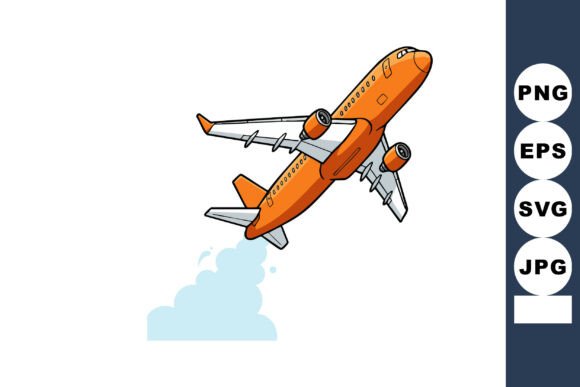
Airplane Flying Around Globe: A Journey in Typography
There is a specific kind of energy found in the concept of Airplane Flying Around Globe. Travelling. It isn’t merely a depiction of transportation; it is a visual shorthand for ambition, movement, and the relentless human spirit of discovery. In the world of design, capturing this kinetic energy requires more than just a static image—it demands a typography that feels like it is in motion. When we look at artistic representations of a plane coursing around the earth, we see a narrative of endless possibilities. This concept serves as a powerful metaphor for brands that want to project a sense of global reach, adventurous spirit, and forward-thinking innovation.
For the creative professional—whether you are a designer, entrepreneur, or content creator—the challenge lies in translating that excitement into tangible assets. We often focus on the destination, the final logo or the published post, but the typography chosen for a project dictates the journey. A design featuring an airplane circling the globe suggests a story in motion. It evokes the thrill of the takeoff and the allure of the unknown. Therefore, the typography used to support such imagery must possess a personality that is vibrant, universal, and seamlessly integrated with themes of tourism and exploration. It needs to be more than legible; it needs to feel like a passport stamp or a boarding pass, grounding the viewer in the reality of the experience.
The Visual Language of Movement and Exploration
Understanding the visual characteristics of a concept like Airplane Flying Around Globe. Travelling is essential for effective application. Visually, this style is defined by fluidity and high contrast. It often utilizes curved lines to mimic the arc of a flight path and bold, confident strokes to represent the fuselage of the aircraft. The personality is inherently optimistic and bold. It rejects stagnation in favor of velocity. When applying this aesthetic to typography, you are looking for typefaces that break the grid—perhaps a dynamic sans serif font with slanted italics, or a modern typography style that feels aerodynamic.
The appeal here lies in its ability to simplify complex global logistics into a single, elegant gesture. For a graphic designer working on a travel blog or a tourism board, this imagery acts as a "vivid portrayal of world travel." It simplifies the concept of "round-the-world adventures" into something accessible. The style is not rigid or corporate; it is organic and fluid. This makes it an ideal candidate for display font usage, where the text needs to make an immediate emotional impact. Think of the way a plane lifts off the runway—that sense of upward momentum is what you want to capture in your letterforms. It is a design asset that communicates speed and efficiency without saying a word.
Strategic Applications in Branding and Marketing
Where does a concept like Airplane Flying Around Globe. Travelling work best? The applications are vast, spanning from digital interfaces to physical merchandise. For entrepreneurs and small business owners, this aesthetic is a goldmine for brand identity, particularly in sectors like logistics, tech startups, and lifestyle brands that value connectivity.
- Logo Design and Brand Identity: A premium font inspired by this concept can serve as the cornerstone of a travel agency or a global consultancy firm. It immediately signals that the business operates on an international scale. The visual hierarchy established by such a distinctive mark ensures that the brand stands out in a crowded market.
- Editorial and Web Design: For bloggers and publishers, using this style for headers in editorial design creates a compelling entry point for articles about global culture or adventure. In web design, it can be used for hero sections to grab attention, provided the readability of the body text remains a priority.
- Packaging and Print: Imagine a coffee brand sourcing beans from around the world. Using a creative font that mimics the motion of flight on their packaging design reinforces the product's journey from farm to cup. It adds a layer of storytelling to the physical object.
- Social Media Graphics: On platforms like Instagram or Pinterest, where visual impact is paramount, the vibrant nature of this concept translates perfectly. It is ideal for creating social media graphics that stop the scroll, encouraging engagement through visual excitement.
However, context is key. While this style excels in dynamic environments, it might be less suitable for highly formal, traditional industries like law or banking, where stability is preferred over motion. The "endless allure of tourism" is its strength, making it perfect for any project that needs to feel alive and welcoming.
Influence on Perception and Audience Engagement
Typography is rarely just about aesthetics; it is a psychological tool. When you incorporate the ethos of Airplane Flying Around Globe. Travelling into your design assets, you are actively shaping how your audience perceives the brand. This style influences brand perception by associating the product or service with freedom, sophistication, and modernity. It tells the audience that the brand is "going places," both literally and metaphorically.
Consistency is another major benefit. By utilizing a cohesive visual language that revolves around travel and motion, you build recognition. A customer might not remember the specific words on a flyer, but they will remember the feeling of movement and the promise of adventure. This is crucial for audience engagement. In a digital landscape often cluttered with static content, a design that feels like a "story in motion" stands out. It encourages the viewer to linger, to explore the details of the curves and the weight of the lines. This visual hierarchy guides the eye naturally, making the content easier to digest and more enjoyable to consume.
Practical Guidance for Designers and Creators
Integrating a theme like Airplane Flying Around Globe. Travelling into a professional workflow requires a practical approach. It is not enough to simply like the idea; you must evaluate how it fits into your specific project constraints and goals.
- Evaluating Project Fit: Before committing, ask if the project's core message aligns with themes of journey and discovery. If the goal is to convey stability and tradition, a serif font might be more appropriate. If the goal is innovation and movement, this concept is a strong contender.
- Font Pairing Strategies: Because "airplane" styles are often high-impact display fonts, they require careful pairing. To maintain readability, pair a decorative, movement-inspired headline font with a clean sans serif font for body text. This contrast ensures that the "thrill of the journey" in the header doesn't overwhelm the message in the paragraph. Avoid pairing it with overly complex script fonts or handwritten fonts, as this can create visual chaos.
- Licensing and Commercial Use: Always verify the licensing. If you are using this style for a client's commercial font project—such as merchandise or widespread advertising—you need to ensure the license covers commercial use. Many "free" resources are for personal use only, which can cause legal headaches later.
- Testing for Versatility: Review the included styles. Does the typeface work in all caps? Does it maintain its "flight path" integrity when scaled down? Test it across different mediums. A font that looks great on a billboard might lose its character on a mobile screen.
Ultimately, the goal is to use this design philosophy to "embrace the traveler within." Whether you are crafting a logo for a new airline or designing a poster for a local travel expo, the principles of movement and global connectivity remain the same. It is about cherishing the creative journey just as much as the final, polished product.