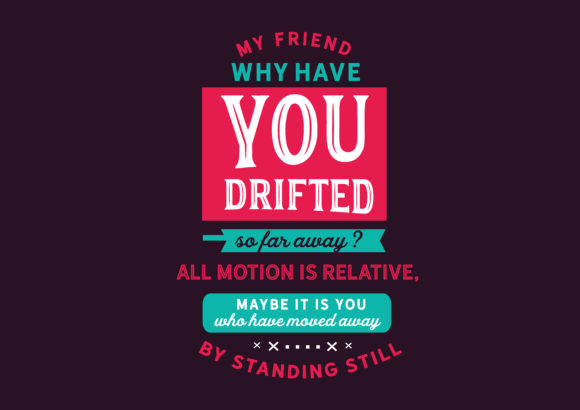
Who Have Moved Away by Standing Still: Embracing Motion in Design
There is a specific kind of tension in typography that grabs you by the collar. It’s the feeling of energy trapped inside a static object. When I first encountered the Who Have Moved Away by Standing Still typeface, I was struck by a profound sense of narrative. The name itself—poetic and slightly melancholic—sets the stage for a design experience that feels less like selecting a tool and more like adopting a persona. It asks a difficult question: “My friend, why have you drifted so far away?” In a world where we are constantly chasing the next trend, this font suggests that all motion is relative. Perhaps it is the world that has moved, while you have remained the anchor.
This isn't just a collection of glyphs; it is a premium font that captures the essence of modern nostalgia. It feels like a handwritten letter found in a vintage jacket pocket—intimate, urgent, and deeply personal. For designers, entrepreneurs, and content creators, understanding this typeface means understanding how to communicate stability while projecting an aura of effortless cool.
The Anatomy of "Standing Still": Visual Character and Style
Visually, Who Have Moved Away by Standing Still defies easy categorization. It operates in the liminal space between a script font and a handwritten font, yet it maintains a legibility that many decorative typefaces lack. The letterforms possess a natural, organic flow, mimicking the pressure variations of a felt-tip pen or a soft brush. There is a distinct human touch here—no two letters feel robotic, yet they align with a consistent rhythm that keeps text blocks cohesive.
The visual characteristics lean heavily into a "lived-in" aesthetic. The strokes are textured, offering a tactile quality that translates beautifully to print. It avoids the sterile perfection of geometric sans serif fonts, choosing instead to embrace the imperfections that make us human. The kerning is often loose, allowing the letters to breathe, which creates a relaxed, airy feel in headlines. This is a typeface that doesn't shout; it leans in and whispers something interesting. Its personality is confident but approachable, making it an ideal choice for brands that want to feel authentic rather than corporate.
Strategic Applications: Where Motion Meets Medium
The true power of Who Have Moved Away by Standing Still lies in its versatility across different media. Because it balances artistic flair with structural integrity, it serves as a robust design asset for various sectors.
Branding and Identity
For brand identity, this font acts as a powerful differentiator. In a sea of minimalist modern typography dominated by clean sans-serifs, this serif font alternative (in spirit, if not strict classification) offers warmth. It works exceptionally well for lifestyle brands, independent coffee roasters, boutique clothing lines, and artisanal goods. When used in logo design, it instantly communicates that the brand values craftsmanship and story over mass production. It tells the customer, "We take our time, and we do it right."
Digital and Web Presence
In web design, readability is king, but personality is the queen that keeps the court in order. Who Have Moved Away by Standing Still shines best as a display typeface for hero sections, pull quotes, and headers. It captures attention immediately upon landing on a page. For bloggers and publishers, using this font for article titles or chapter headers can break the monotony of standard body text, creating a visual hierarchy that guides the reader’s eye naturally down the page. It pairs exceptionally well with a clean, geometric sans serif font for body copy, ensuring that the site remains accessible while retaining its unique voice.
Packaging and Print
Physical products benefit immensely from the tactile nature of this typeface. In packaging design, where shelf appeal is everything, the textured, hand-drawn quality of the font suggests a product that is handmade or small-batch. It works wonders on labels for wine, cosmetics, or stationery. Furthermore, in editorial design, such as magazine spreads or book covers, it adds a layer of emotional depth. It suggests a narrative, inviting the reader to open the book and find out who moved away and why.
Social Media and Marketing
For marketers and social media graphics, standing out in a fast-scrolling feed is the primary challenge. This creative font stops the scroll. Its irregular, organic shape contrasts sharply with the rigid grid of a social media interface. Use it for Instagram quotes, podcast cover art, or YouTube thumbnails to inject personality into your digital marketing strategy. It humanizes the digital experience, making a brand feel less like an algorithm and more like a friend.
Mastering the Art of Relative Motion
Choosing a commercial font is a commitment to a specific tone of voice. Who Have Moved Away by Standing Still influences brand perception by grounding your visual identity in something that feels timeless yet contemporary. It suggests that while trends may drift away, your brand remains steadfast.
However, working with a display-heavy or expressive font requires strategy. You cannot simply drop it into a paragraph and expect magic. The key to font pairing here is contrast. Because the font has so much movement and character, it needs a neutral partner. A clean sans serif like Helvetica, Inter, or Montserrat will provide the necessary legibility for longer texts while allowing the display font to take center stage for headlines. This creates a balanced visual hierarchy where the emotional hook is set by the display type, and the information is delivered by the body type.
When evaluating the fit for your project, consider the "energy" of your content. If your brand voice is authoritative, stern, and ultra-corporate, this font might feel too casual. But if your brand is about storytelling, connection, creativity, or wellness, it is a perfect match. It bridges the gap between professionalism and recognition—you look serious about your craft, but not serious about being boring.
Practical Guidance for Implementation
Before integrating Who Have Moved Away by Standing Still into your workflow, a few practical considerations will ensure you get the most out of this asset.
- Licensing and Usage: Always verify the commercial licensing terms. Ensure that your license covers your specific usage, whether it is for a single client project, a merchandise line, or a high-traffic website. Respecting licensing ensures the longevity of the creative ecosystem.
- Testing for Readability: Test the font at various sizes. While it may look stunning at 60px in a headline, check how it renders at 24px for sub-headers. Some script-style fonts lose legibility at smaller sizes due to ligatures or swashes. If the font includes OpenType features, explore alternate characters to fix awkward letter combinations.
- Color and Spacing: Because this typeface has a handcrafted texture, it looks best in dark, rich colors rather than stark, pure black (#000000). Try a deep charcoal or a warm dark tone. Additionally, give it room to breathe. Increase the line height (leading) and letter spacing slightly compared to standard body text to let the characters shine without colliding.
In the end, the philosophy behind Who Have Moved Away by Standing Still is about perspective. It reminds us that in design, as in life, all motion is relative. By choosing a typeface that stands still with such quiet confidence, you allow your brand to move forward. It is a tool for entrepreneurs and creators